- Get link
- X
- Other Apps
In our family we swear by the healing powers of elderberries and
elderberry juice. We are not doctors or health professionals, and we can
only go by our own experience and the anecdotal evidence of our
family, friends and ancestors, but we always load up on elderberries, whenever it is flu time and these days we get a dose of elderberries every week because of Covid 19.

We are huge fans of elderberries,
so much in fact that we are on a rescue mission to rescue the wild
elderberry shrubbery in our neighborhood, before these disappear due to
development. We have created an elderberry windbreak at our house, we
have transplanted many elderberry shrubs to The Land, and we've dug up several elderberry shoots for our neighbors to plant in their gardens as well. We've actually had neighbors tell us that growing up they used to have elderberry plants grow wild in the back of their gardens, but that they ripped them out, because they did not know what to use them for. Now, they're replanting...
When
we first discovered all of the elderberry plants in our neighborhood,
we started hunting for the best juicing pot. It took a while, and we read numerous reviews, before we
finally decided to invest in the same type of juice pot that we grew
up with. We decided on getting the Giantex 11 Quart Juice Steamer, and it was just what we needed.

We have owned
this juicing pot for more than a year, and it has lived up to all of
our expectations. It is simple and easy to use, we have not encountered
any rust issues (as we do with many stainless-steel products here in
Florida), and we have used it numerous times. It can be used to make any kind of juice, and we sometimes add things from the garden such as muscadine grapes, blueberries or beets.


Growing
up, warm elderberry soup would be served on cold fall nights, especially
during flu season. We had to change this up a bit, since hot soup does
not work too well in Florida, and so we decided to freeze our elderberry
juice to use for our weekly (and sometimes bi-weekly) immune-boosting
fruit smoothies and to put in our morning tea.

We simply freeze the juice in ice cube
containers and then transfer these into a larger container in the
freezer or leave them in a bag. It is so easy to add these to our
smoothies and teas, and you can hardly taste the tartness of the elderberries
mixed with all the other fruity goodness or the honey in our tea.

Making elderberry juice is a process which takes patience, but the result is a healthy juice that you cannot buy in stores, and if you do find it, it is extremely expensive. If you can't find fresh wild elderberries, you can look for dried elderberries online or at your local health food store, or you can purchase an elderberry juice concentrate online. We use this elderberry juice from Now Foods, which comes from an American family farm. We believe that the fresh, wild elderberries make the best juice, but if we run out, we usually buy a bottle of this elderberry juice concentrate.

How To Make Elderberry Juice:
- Gather your elderberries
- Rinse, clean and separate the elderberries from the stems.
- Put the elderberries into the top colander of your juicer pot.
- For every half gallon of elderberries, add 4 - 6 cleaned, cut up (preferably organic), apples.
- Fill up the bottom pot with water (you can add a couple of clean marbles to make sure you can hear if your pot runs out of water)
- Turn the heat to high, then lower to middle heat, once the water starts boiling.
- Make sure that your clamped hose is raised to prevent spills. We usually lift it up a bit, and leave it resting on top of a container in the sink, in case any drops start before we discover it.
- Once you see the dark purplish juice appear in the clamped hose, you can start filling up your containers for storage.
- It takes several hours of steaming the elderberries to get every last drop, so make sure you schedule your elderberry-juice making for a day you have ample time to do so.

Elderberry Juice Tips
- Do not ingest raw elderberries! Elderberries need to be cooked, or they are poisonous to humans and will cause an irritated stomach.
- If you have a hard time collecting enough elderberries all at once, simply rinse your berries, separate these from the stems and freeze them in a container. As you discover more, or as more berries ripen, you can simply add these to the container in the freezer until you feel that you have enough.
- If you find that some of your elderberry clusters are not fully ripe, you can always stick them in a glass of water in the window to ripen and dry them.
- Add apples to your elderberry juice to lessen the tartness, add sweetness and to thicken the juice. This is a tip that has been handed down in my family for several generations.
- Freeze elderberries in ice cube containers to add to your tea or smoothies.
- Once cooked, the elderberry leftovers are great to use in the compost bin.
The Juicer Pot
If you have access to an abundance of wild elderberries, you can use it in lots of different recipes. My dad makes an elderberry soup, where he adds lots of sugar and eats it warm with some dried, toasted bread crumbs. You can also make elderberry jams, pies, syrup and more.
Read all of our Elderberry Articles:
How To Find and Grow Elderberries
***If you enjoyed our post on how to make your own elderberry juice, please consider sharing it with your friends.***
Did your family make elderberry juice when you were growing up?
Disclaimer: This post contains affiliate links.
Popular Posts

Troy-Bilt Wood Chipper - Super Tomahawk = Our No. 1 Tool For Better Composting
We could not have gotten as far with our sustainable land clearing and composting, if it had not been for our power horse, our Troy-Bilt Super Tomahawk wood chipper with its 8 HP Briggs & Stratton motor. We purchased this 31+ year-old wood chipper off Craigslist for $200 about a year and a half ago, and it is still going strong. Troy-Bilt Super Tomahawk Wood Chipper

Zone 9A/9B Gardening Calendar - North East Florida Planting Schedule
Gardening in Florida is a very different experience than gardening in the rest of the country, and growing fruits and vegetables in North East Florida is a very different experience than gardening down south. It has taken us about five years to adjust to the zone 9 planting schedule, and while there are many zone 9 garden guides out there, we felt that there was a need for a simple, user friendly zone 9A/9B planting calendar.

How To Remove Palmetto Palms
If you have ever tried to remove a palmetto palm by cutting it down, you will likely have realized that removing palmettos is tricky. So, when we got ourselves a piece of land with about half an acre of these wonderful palmetto palms, also known as saw palmettos or shrub palmettos, we knew that we had a challenge on our hand.

Where To Find Free Nursery Pots and Planters
Every gardener needs something for their plants to grow in. Whether it is directly into the soil in your garden, into a garden bed, nursery pots, ceramic pots, terracotta pots, or if you get more creative, you need something for your plants to grow in. That's why we're always looking for free nursery pots and cheap planters.
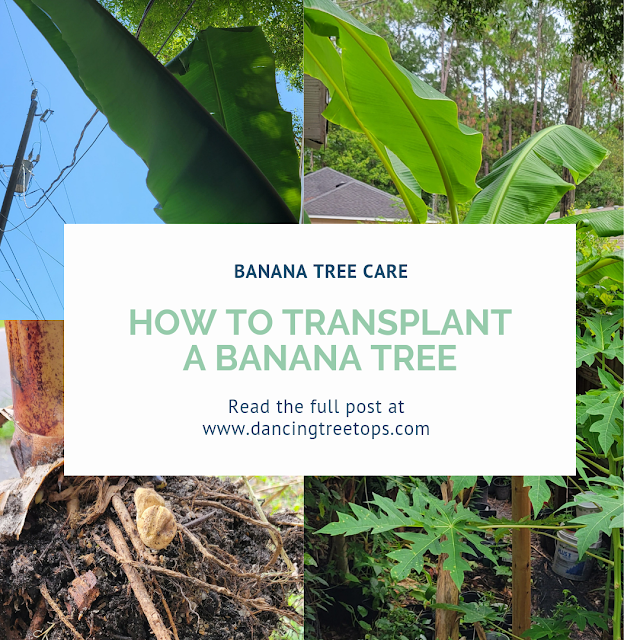
How to Transplant a Banana Tree
Wondering how to transplant a banana tree? I know, it's not a tree, so wondering how to move a banana plant? Bananas are pretty easy to move, and they're pretty hardy too. The best time to transplant a banana plant is in the rain season, but I've planted and re-planted banana plants all year round, just remember to water well if it doesn't rain. Last year I planted a small ice cream banana pup in front of our home, but I was negligent in my research and didn't realize just how big it would get. I prefer moving banana trees in the rain season, but the leaves were getting too close to our power line, so it had to be moved. The roots of banana trees aren't very deep, and they will quickly re-establish, if you give them some love and water. The root ball of a 1 year old Grand Nain banana We've been preparing an area at The Land for banana babies, since we now have six different banana varieties at the house and these are beginning to give us pups. Today was th...

Save Your Papaya Trees After Cold Damage
Papayas are susceptible to high winds and freezes, but do not let that prevent you from growing papayas in zone 9a or 9b. In our experience, papayas are pretty cold hardy, but they do not like temperatures below freezing, especially not a sustained time with freezing temperatures. Temperatures below 40 degrees F/4 degrees C will make the papayas begin to look sad, but it is not until the temperatures hit freezing, that the papaya trees will sustain damage enough to kill the papayas. Last winter we had two quick freezes here in St. Augustine (growing zone 9a), and while our tallest papayas looked sad after the first freezing night, it was not until the second freeze that they were defeated. How to Save Papayas After a Freeze: After a freeze wait and see for a week or two to determine where you need to cut your papayas. If another freeze is imminent before your wait or see period is over, make the cut low, cover and protect. Look for new growth or a firmer trunk. Cut the papaya trun...
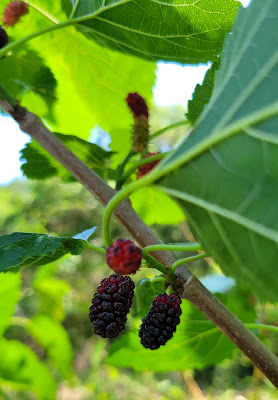
How to Grow Mulberry from Cuttings
Our favorite mulberry bush is in danger of eradication, so for the past year or so we have been growing mulberries from cuttings. Our children love eating fruit straight from the trees and bushes, and while we lose wild areas every day to construction and development in our community, we still have a few areas left untouched for now. Some mulberry trees are simply too tall for great mulberry picking, but this one mulberry bush is low and spread thick like a bush. Mulberries look similar to blackberries, but they are sweeter and juicier. They do not hold up well, which is why you will not find them in the stores, but we freeze any leftover mulberries to use in our weekly smoothies. Wild blackberries and wild mulberries We've taken cuttings three times from the mulberry bush. We waited until after fruiting last spring to take the first cutting, and the second time was about four months after fruiting. The third set of cuttings we took was in late winter, just as the mulberry bush had...
How To Use Fruit Peel Fertilizers
When it comes to growing success, I strongly believe in using homemade compost, and if you mix it with composted chicken manure, then you've got the good stuff. We do use these organic fertilizers at times, but if at all possible, we prefer to use fruit peel fertilizers, other natural fertilizers, and compost. Other than that, we feed our plants a lot of greens. Whenever I cut and prune if it's not turned into new plants, it is either fed directly to plants by simply placing it at the base of a plant, it is composted at the land in our big compost pile, or it is composted at home in our chicken compost pile. When it comes to fruit trees, I like to give them fruit peels as a natural fertilizer. A fruit peel fertilizer is an obvious way of giving back to a fruit tree the nutrients that we've removed. Apple trees get apple cores and peels, citrus trees get citrus peels, everything gets banana peels, and when it's bloom season I feed tomato plants and fruit trees with ban...

How To Make Permanent Plant Tags out of Recycled Plastic, Aluminum & Copper
We have lots of citrus trees in the garden, but until they produce fruits, they will be just that - citrus trees - because I have no clue what type they are, since most of my plant tags never held up. I've tried many different plant tags from chalk signs to plastic and the infamous popsicle stick. All failed the test of time, but when I started selling plants, I had to come up with some way to identify the plants and trees to make it easier for the customers. I wanted something that would last at least 6 months, could stand up against the weather, and I began looking for plastic plant tags. I had a hard time finding affordable, recycled plastic plant tags, so I decided to create my own permanent plant tags . (< see video) We've also begun a complete revamp of our front garden, which means more plants, and we've got lots of plants and trees growing for our future garden at The Land. For these plants, I wanted permanent plant labels that could contain both the common name ...
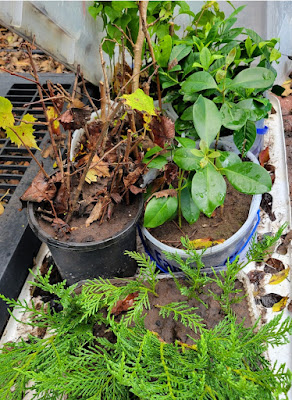
Plant Propagation with a Clear Plastic Bin - Making More Plants
I have an addiction to making more plants. It is simply impossible to stop, once you've learned the techniques of plant propagation - and yes we need to grow more plants, and so I have been propagating plants for years with the rooting powder and plastic bag method. Plant Propagation This year I decided to try a new method, hoping to improve on my plant cutting survival rate with the plastic tub method, but it was also an attempt to make more plants and to be able to just leave the plants alone outside. When you look at professional plant propagators, they usually have a greenhouse, and in this greenhouse a mist of water keeps the humidity high. This is essentially what happens in the clear plastic tubs, as long as they are completely closed. You can see the condensation on the top of the bin, and it is like a mini greenhouse. Clear plastic bins for plant propagation I looked for clear storage tubs or plastic bins at the thrift store. Unable to find some with clear lid...
Comments
Post a Comment