- Get link
- X
- Other Apps
Gardening in Florida is a very different experience than gardening in the rest of the country, and growing fruits and vegetables in North East Florida is a very different experience than gardening down south. It has taken us about five years to adjust to the zone 9 planting schedule, and while there are many zone 9 garden guides out there, we felt that there was a need for a simple, user friendly zone 9A/9B planting calendar.

The zone 9 garden calendar color chart below is based on when you should either start from seed/or if you have started your seeds inside, when it is safe to plant out.
Here in North East Florida, it is easy to extend your growing season by starting your seeds indoors, or by protecting your plants outdoors. We grow tomatoes and peppers outdoors all year round, some under a plastic cover and some up against the house. If you want to extend your growing season here in zone 9, it can be as simple as putting up a fence around your garden, and if you create a walled garden you are even better off.
When it comes to extending the cold season, it gets tricky, but we have had some success with extending our lettuce season by planting in our backyard, which is dabbled shade and gets late afternoon/evening sun only.
Our North East Florida Garden Calendar
|
|
Months where it is time to plant out/or when you can start seed outside. |
|
|
Months where you may have success, but it is not optimal to start growing a particular fruit or vegetable. |
** If you're looking at this 9A/9B planting calendar on your phone, it works best in horizontal view.**
|
Zone 9 Planting Calendar |
|
Jan |
Feb |
Mar |
Apr |
May |
Jun |
Jul |
Aug |
Sep |
Oct |
Nov |
Dec |
|
Asparagus |
|
Jan |
|
|
|
|
|
|
|
|
|
|
Dec |
|
Artichoke |
|
|
|
|
Apr |
|
|
|
|
|
|
|
|
|
Arugula |
|
Jan |
Feb |
Mar |
|
|
|
|
|
Sep |
Oct |
Nov |
Dec |
|
Basil |
|
|
Feb |
Mar |
|
|
|
|
|
|
|
|
|
|
Beans |
|
|
|
Mar |
Apr |
|
|
|
Aug |
Sep |
|
|
|
|
Bok Choy |
|
|
Feb |
Mar |
Apr |
|
|
|
|
|
|
|
|
|
Beets |
|
Jan |
Feb |
|
|
|
|
|
Aug |
Sep |
Oct |
Nov |
Dec |
|
Broccoli |
|
Jan |
Feb |
|
|
|
|
|
Aug |
Sep |
Oct |
Nov |
Dec |
|
Brussel Sprouts |
|
Jan |
Feb |
|
|
|
|
|
Aug |
Sep |
Oct |
Nov |
Dec |
|
Butternut Squash |
|
|
Feb |
Mar |
Apr |
|
|
Jul |
Aug |
Sep |
|
|
|
|
Cabbage |
|
Jan |
Feb |
|
|
|
|
|
Aug |
Sep |
Oct |
Nov |
Dec |
|
Cantaloupe |
|
|
Feb |
Mar |
Apr |
|
|
|
|
|
|
|
|
|
Carrots |
|
Jan |
Feb |
Mar |
|
|
|
|
Aug |
Sep |
Oct |
Nov |
Dec |
|
Cauliflower |
|
Jan |
Feb |
|
|
|
|
|
Aug |
Sep |
Oct |
Nov |
Dec |
|
Celery |
|
Jan |
Feb |
|
|
|
|
|
Aug |
Sep |
Oct |
Nov |
Dec |
|
Cerasee/Bitter Melon/Karela |
|
|
|
Mar |
Apr |
May |
Jun |
Jul |
Aug |
Sep |
|
|
|
|
Collard Greens |
|
Jan |
Feb |
|
|
|
|
|
Aug |
Sep |
Oct |
Nov |
Dec |
|
Coriander/Cilantro |
|
|
Feb |
Mar |
|
|
|
|
|
|
Oct |
Nov |
Dec |
|
Corn |
|
|
Feb |
Mar |
Apr |
|
|
|
|
|
|
|
|
|
Cucamelon |
|
|
|
|
Apr |
May |
|
|
|
|
|
|
|
|
Cucumbers |
|
|
Feb |
Mar |
Apr |
|
|
Jul |
Aug |
|
|
|
|
|
Daikon/Japanese radish |
|
|
Feb |
|
|
|
|
|
|
|
Oct |
|
|
|
Dill |
|
|
Feb |
|
|
|
|
|
|
|
|
|
|
|
Eggplant |
|
|
Feb |
Mar |
|
|
|
|
Aug |
|
|
|
|
|
Endive |
|
Jan |
Feb |
|
|
|
|
|
Aug |
Sep |
Oct |
|
|
|
Garlic, hard |
|
|
|
|
|
|
|
|
|
|
Oct |
Nov |
|
|
Garlic, soft |
|
|
|
|
|
|
|
|
|
|
Oct |
Nov |
|
|
Ginger |
|
|
|
Mar |
Apr |
May |
|
|
|
|
|
|
|
|
Honey Dew Melon |
|
|
Feb |
Mar |
Apr |
|
|
|
|
|
|
|
|
|
Kale |
|
Jan |
Feb |
|
|
|
|
|
Aug |
Sep |
Oct |
Nov |
Dec |
|
Kohlrabi |
|
Jan |
Feb |
Mar |
|
|
|
|
Aug |
Sep |
Oct |
Nov |
Dec |
|
Leek |
|
|
|
Mar |
Apr |
|
|
|
Aug |
Sep |
|
|
|
|
Lettuce |
|
Jan |
Feb |
|
|
|
|
|
|
Sep |
Oct |
|
|
|
Luffa |
|
|
|
Mar |
Apr |
|
|
|
|
|
|
|
|
|
Mustard |
|
Jan |
Feb |
|
|
|
|
|
Aug |
Sep |
Oct |
Nov |
Dec |
|
Nasturtium |
|
|
|
|
|
|
|
|
|
|
|
|
|
|
Okra |
|
|
|
Mar |
Apr |
May |
Jun |
|
|
|
|
|
|
|
Onions, bulbs |
|
Jan |
Feb |
|
|
|
|
|
|
Sep |
Oct |
Nov |
Dec |
|
Onions, bunching (green + shallots) |
|
Jan |
Feb |
Mar |
|
|
|
|
Aug |
Sep |
Oct |
Nov |
Dec |
|
Papaya |
|
|
|
Mar |
Apr |
May |
Jun |
Jul |
Aug |
Sep |
Oct |
|
|
|
Parsley |
|
|
Feb |
Mar |
Apr |
|
|
|
|
|
Oct |
Nov |
|
|
Peas, snow |
|
Jan |
Feb |
Mar |
|
|
|
|
|
|
|
|
|
|
Peas, southern |
|
|
|
Mar |
Apr |
May |
Jun |
Jul |
|
|
|
|
|
|
Pepper |
|
|
Feb |
Mar |
Apr |
May |
Jun |
Jul |
Aug |
|
|
|
|
|
Potatoes, reg |
|
Jan |
Feb |
Mar |
|
|
|
|
|
|
|
|
Dec |
|
Potatoes, sweet |
|
|
|
Mar |
Apr |
May |
Jun |
|
|
|
|
|
|
|
Pumpkin |
|
|
|
|
|
|
|
Jul |
|
|
|
|
|
|
Radish |
|
Jan |
Feb |
Mar |
|
|
|
|
|
Sep |
Oct |
Nov |
Dec |
|
Roselle Hibiscus/Jamaican Sorrel |
|
|
|
Mar |
Apr |
|
|
|
|
|
|
|
|
|
Spinach |
|
Jan |
Feb |
Mar |
|
|
|
|
|
Sep |
Oct |
Nov |
Dec |
|
Spinach, Malabar |
|
|
|
Mar |
Apr |
May |
Jun |
Jul |
|
|
|
|
|
|
Squash, summer |
|
|
Feb |
Mar |
Apr |
|
|
|
Aug |
Sep |
|
|
|
|
Squash, winter |
|
|
Feb |
Mar |
Apr |
|
|
|
Aug |
Sep |
|
|
|
|
Strawberry |
|
|
|
|
|
|
|
|
|
Sep |
Oct |
|
|
|
Swiss Chard |
|
Jan |
Feb |
Mar |
Apr |
May |
|
|
|
Sep |
Oct |
Nov |
Dec |
|
Tomatoes |
|
|
Feb |
Mar |
Apr |
|
|
Jul |
Aug |
|
|
|
|
|
Turmeric |
|
|
|
Mar |
Apr |
May |
|
|
Aug |
Sep |
Oct |
Nov |
Dec |
|
Turnips |
|
Jan |
Feb |
|
|
|
|
|
|
|
|
|
|
|
Watermelon |
|
|
Feb |
Mar |
Apr |
|
|
|
|
|
|
|
|
This zone 9 garden calendar color chart is based on when you should either start from seed/or if you have started your seeds inside, when it is safe to plant out. It is created based on the north Florida planting recommendation of the UFIFAS Extension as well as our own experience.
If you have had success growing a specific fruit or vegetable in a month that is not colored in, we would love to hear from your experience. You can either leave a comment or or send us an email.
If you have any suggestions for fruit and veggies, which should be added to the Zone 9 Calendar, please leave us a comment as well, we especially want to add fruit, vegetables and herbs not commonly grown in our growing zone, so if you have had success with a specific species, please reach out, we are always looking for ways to extend our North East Florida growing schedule.
Comments
Popular Posts

Troy-Bilt Wood Chipper - Super Tomahawk = Our No. 1 Tool For Better Composting
We could not have gotten as far with our sustainable land clearing and composting, if it had not been for our power horse, our Troy-Bilt Super Tomahawk wood chipper with its 8 HP Briggs & Stratton motor. We purchased this 31+ year-old wood chipper off Craigslist for $200 about a year and a half ago, and it is still going strong. Troy-Bilt Super Tomahawk Wood Chipper

How To Remove Palmetto Palms
If you have ever tried to remove a palmetto palm by cutting it down, you will likely have realized that removing palmettos is tricky. So, when we got ourselves a piece of land with about half an acre of these wonderful palmetto palms, also known as saw palmettos or shrub palmettos, we knew that we had a challenge on our hand.

Where To Find Free Nursery Pots and Planters
Every gardener needs something for their plants to grow in. Whether it is directly into the soil in your garden, into a garden bed, nursery pots, ceramic pots, terracotta pots, or if you get more creative, you need something for your plants to grow in. That's why we're always looking for free nursery pots and cheap planters.
How to Transplant a Banana Tree
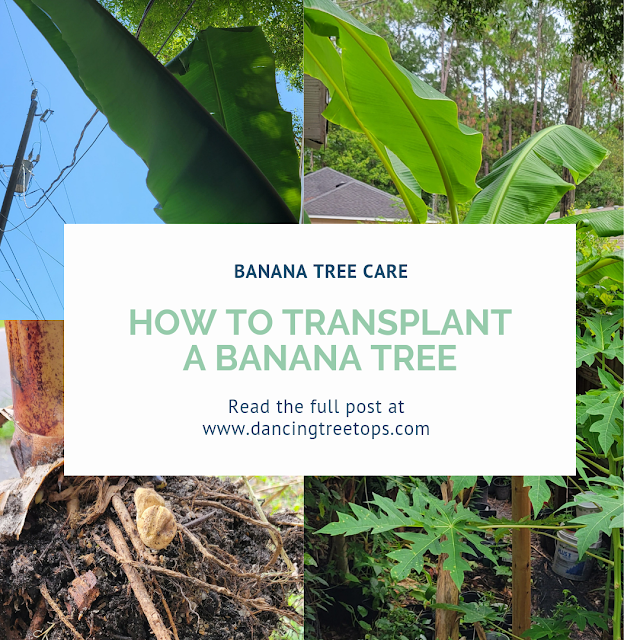
Wondering how to transplant a banana tree? I know, it's not a tree, so wondering how to move a banana plant? Bananas are pretty easy to move, and they're pretty hardy too. The best time to transplant a banana plant is in the rain season, but I've planted and re-planted banana plants all year round, just remember to water well if it doesn't rain. Last year I planted a small ice cream banana pup in front of our home, but I was negligent in my research and didn't realize just how big it would get. I prefer moving banana trees in the rain season, but the leaves were getting too close to our power line, so it had to be moved. The roots of banana trees aren't very deep, and they will quickly re-establish, if you give them some love and water. The root ball of a 1 year old Grand Nain banana We've been preparing an area at The Land for banana babies, since we now have six different banana varieties at the house and these are beginning to give us pups. Today was th...

Save Your Papaya Trees After Cold Damage
Papayas are susceptible to high winds and freezes, but do not let that prevent you from growing papayas in zone 9a or 9b. In our experience, papayas are pretty cold hardy, but they do not like temperatures below freezing, especially not a sustained time with freezing temperatures. Temperatures below 40 degrees F/4 degrees C will make the papayas begin to look sad, but it is not until the temperatures hit freezing, that the papaya trees will sustain damage enough to kill the papayas. Last winter we had two quick freezes here in St. Augustine (growing zone 9a), and while our tallest papayas looked sad after the first freezing night, it was not until the second freeze that they were defeated. How to Save Papayas After a Freeze: After a freeze wait and see for a week or two to determine where you need to cut your papayas. If another freeze is imminent before your wait or see period is over, make the cut low, cover and protect. Look for new growth or a firmer trunk. Cut the papaya trun...
How to Grow Mulberry from Cuttings
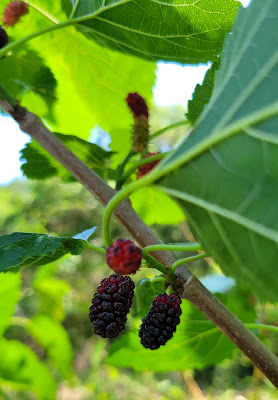
Our favorite mulberry bush is in danger of eradication, so for the past year or so we have been growing mulberries from cuttings. Our children love eating fruit straight from the trees and bushes, and while we lose wild areas every day to construction and development in our community, we still have a few areas left untouched for now. Some mulberry trees are simply too tall for great mulberry picking, but this one mulberry bush is low and spread thick like a bush. Mulberries look similar to blackberries, but they are sweeter and juicier. They do not hold up well, which is why you will not find them in the stores, but we freeze any leftover mulberries to use in our weekly smoothies. Wild blackberries and wild mulberries We've taken cuttings three times from the mulberry bush. We waited until after fruiting last spring to take the first cutting, and the second time was about four months after fruiting. The third set of cuttings we took was in late winter, just as the mulberry bush had...
How To Use Fruit Peel Fertilizers
When it comes to growing success, I strongly believe in using homemade compost, and if you mix it with composted chicken manure, then you've got the good stuff. We do use these organic fertilizers at times, but if at all possible, we prefer to use fruit peel fertilizers, other natural fertilizers, and compost. Other than that, we feed our plants a lot of greens. Whenever I cut and prune if it's not turned into new plants, it is either fed directly to plants by simply placing it at the base of a plant, it is composted at the land in our big compost pile, or it is composted at home in our chicken compost pile. When it comes to fruit trees, I like to give them fruit peels as a natural fertilizer. A fruit peel fertilizer is an obvious way of giving back to a fruit tree the nutrients that we've removed. Apple trees get apple cores and peels, citrus trees get citrus peels, everything gets banana peels, and when it's bloom season I feed tomato plants and fruit trees with ban...

How To Make Permanent Plant Tags out of Recycled Plastic, Aluminum & Copper
We have lots of citrus trees in the garden, but until they produce fruits, they will be just that - citrus trees - because I have no clue what type they are, since most of my plant tags never held up. I've tried many different plant tags from chalk signs to plastic and the infamous popsicle stick. All failed the test of time, but when I started selling plants, I had to come up with some way to identify the plants and trees to make it easier for the customers. I wanted something that would last at least 6 months, could stand up against the weather, and I began looking for plastic plant tags. I had a hard time finding affordable, recycled plastic plant tags, so I decided to create my own permanent plant tags . (< see video) We've also begun a complete revamp of our front garden, which means more plants, and we've got lots of plants and trees growing for our future garden at The Land. For these plants, I wanted permanent plant labels that could contain both the common name ...
Plant Propagation with a Clear Plastic Bin - Making More Plants
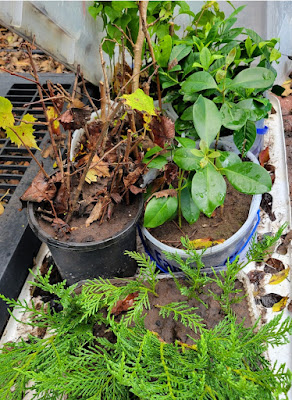
I have an addiction to making more plants. It is simply impossible to stop, once you've learned the techniques of plant propagation - and yes we need to grow more plants, and so I have been propagating plants for years with the rooting powder and plastic bag method. Plant Propagation This year I decided to try a new method, hoping to improve on my plant cutting survival rate with the plastic tub method, but it was also an attempt to make more plants and to be able to just leave the plants alone outside. When you look at professional plant propagators, they usually have a greenhouse, and in this greenhouse a mist of water keeps the humidity high. This is essentially what happens in the clear plastic tubs, as long as they are completely closed. You can see the condensation on the top of the bin, and it is like a mini greenhouse. Clear plastic bins for plant propagation I looked for clear storage tubs or plastic bins at the thrift store. Unable to find some with clear lid...
Great info!!! Thanks or posting it. Do you have a printable version of this?
ReplyDeleteA downloadable spreadsheet would be great. Then we can hide things we don't grow or add things we do.
ReplyDeleteYou can copy and paste it to excel
DeleteI always examine these sorts of consultatory blog posts, and also I found your article elevated garden beds on wheels. This is a terrific source to raise knowledge. Thanks for sharing an article like this.
ReplyDelete' Great source -
ReplyDeleteThanks. We are new to Florida … from Illinois. I’ve killed some plants here so far before realizing I things are very different here and I need help! Thanks for this!
ReplyDelete